


12th Nov 2026
Beyond the Can: Rethinking the Art of Wood Finishing - Part 1 Breaking the Wood-Finishing Paradigm
What If We've Been Thinking About Wood Finishing All Wrong?
There's more to finishing wood than choosing a product and following instructions.
Have you ever refinished an antique table, restored an old wooden door or worked on hardwood floors, only to realize halfway through that you wanted a different result?
Maybe the color wasn't quite right. Maybe you wanted more shine. Or perhaps you wanted to preserve more of the wood's natural character.
With many conventional finishes, changing your mind can mean sanding, recoating or starting over.
But why should finishing be so restrictive?
 When Finishing Was an Art
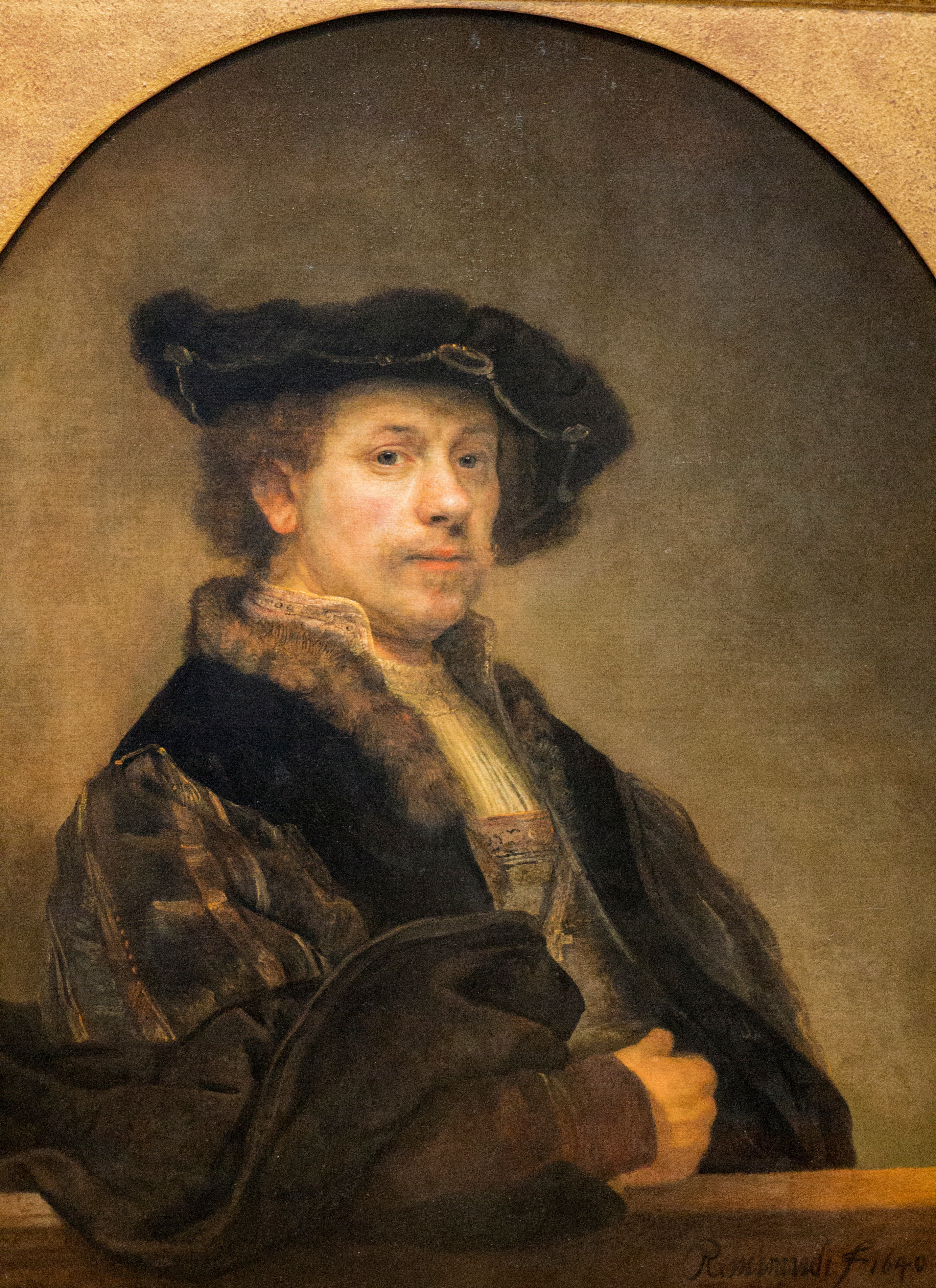
Long before hardware stores offered shelves of ready-made finishes, artists and craftsmen understood how to manipulate their materials.
Johannes Vermeer blended pigments and oils to develop his colors. Rembrandt experimented with layers, textures and the way light interacted with his paintings.
Woodworkers and furniture makers approached their craft with a similar understanding. Oils, waxes, pigments and polishing techniques were tools for creating the desired result.
The materials were tools, not limitations.
Today, much of wood finishing follows a different philosophy.
Choose your stain. Choose your sheen. Choose your protective coating. Follow the instructions.
Traditional polyurethane and lacquer finishes generally create a film over the wood. Once that film is established, changing the appearance can require considerable additional work.
Even newer finishing systems, such as Rubio Monocoat and Osmo Polyx-Oil, have their own prescribed application procedures. Rubio's two-component Oil Plus 2C system, for example, requires mixing an oil with a chemical accelerator and following specific application and curing requirements.
A Different Approach 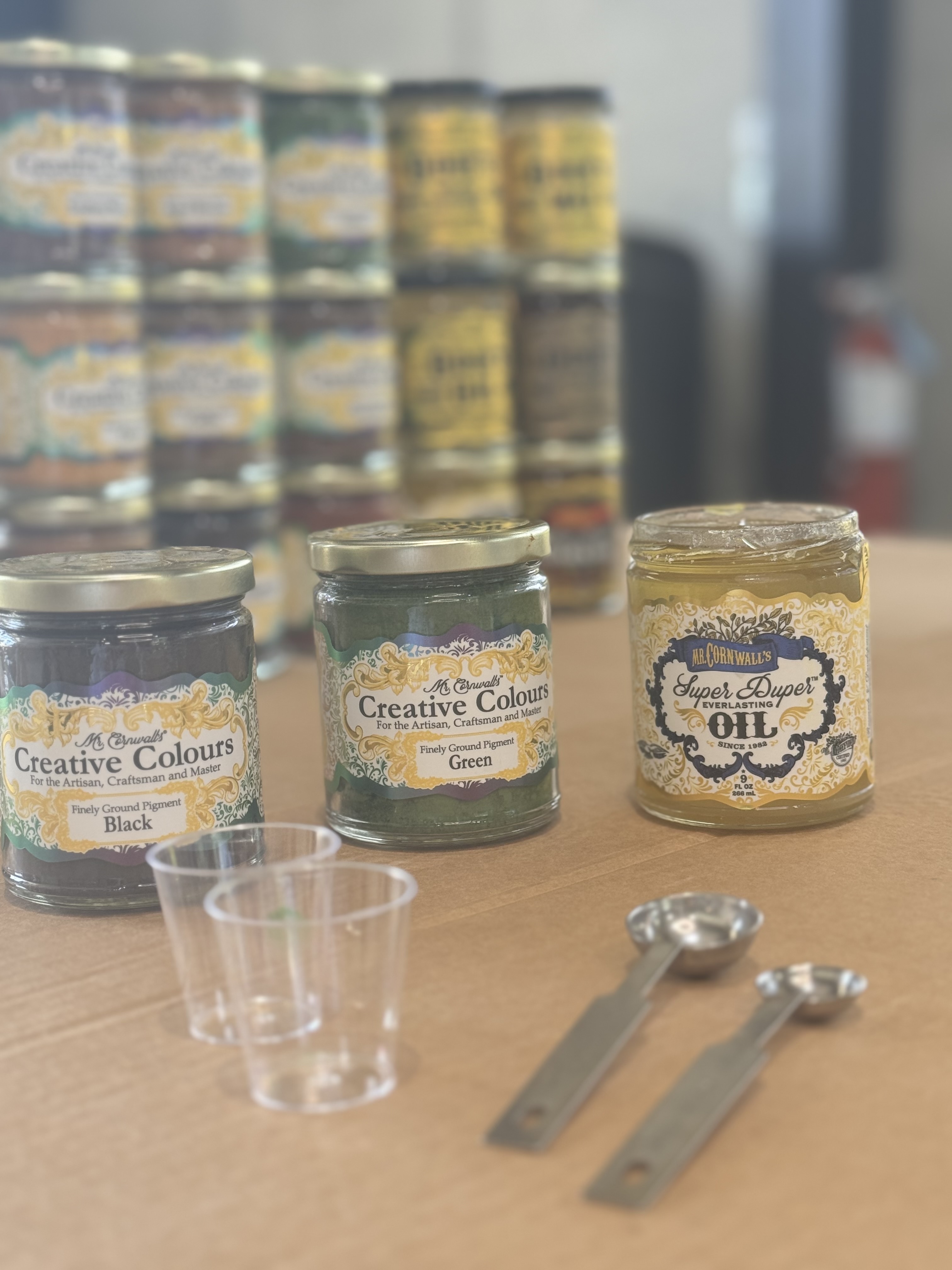
Odie's Oil challenges the idea that the finish you choose must determine the final result.
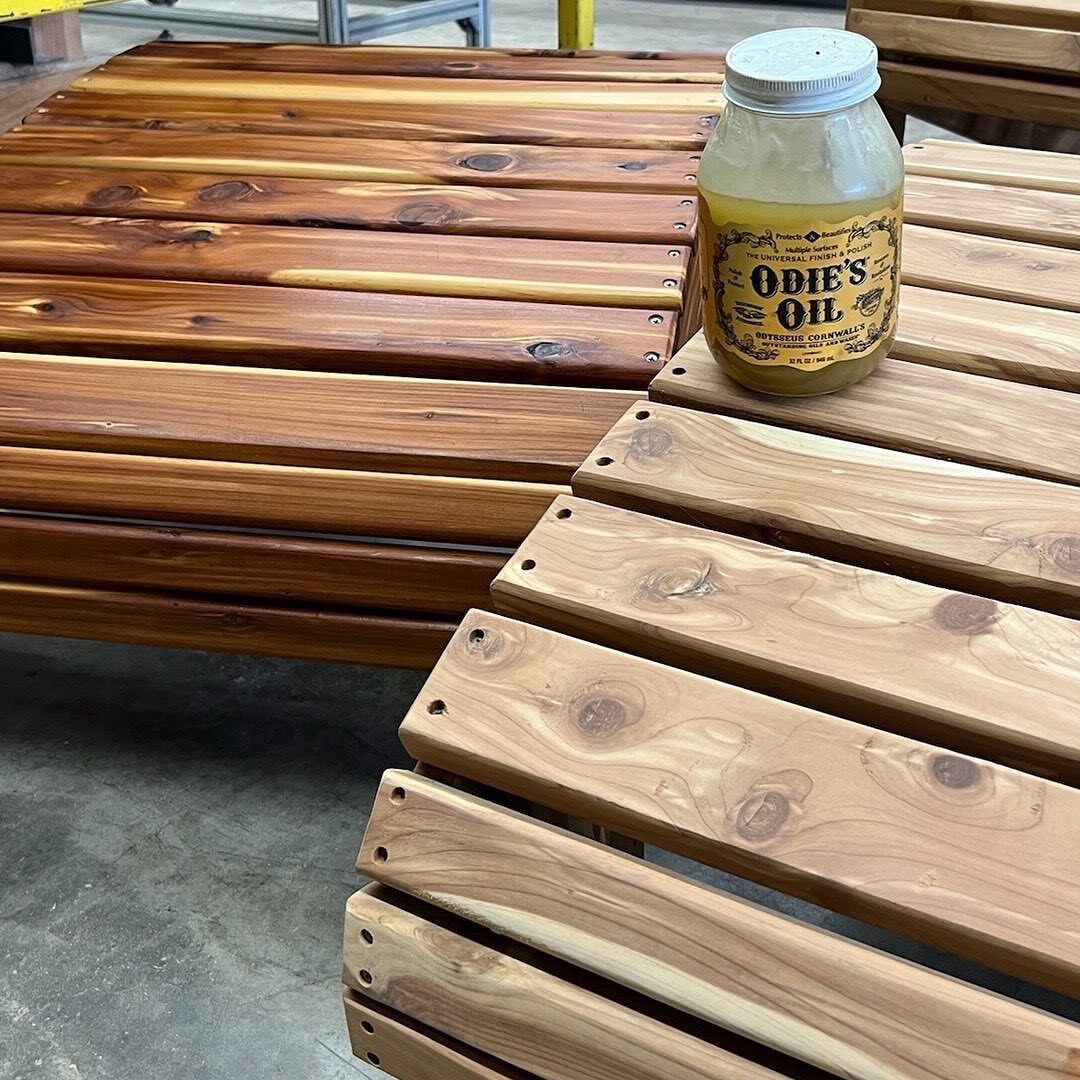
Our proprietary penetrating hardwax oil system protects and enhances wood without relying on a conventional built-up surface film.
But the real difference goes beyond how the finish works.
Odie's offers a family of complementary oils, butters, waxes and pigments that allow you to develop color, sheen, depth and tactile character through different products and techniques.
Rather than selecting a predetermined result, you can approach finishing as a creative process.
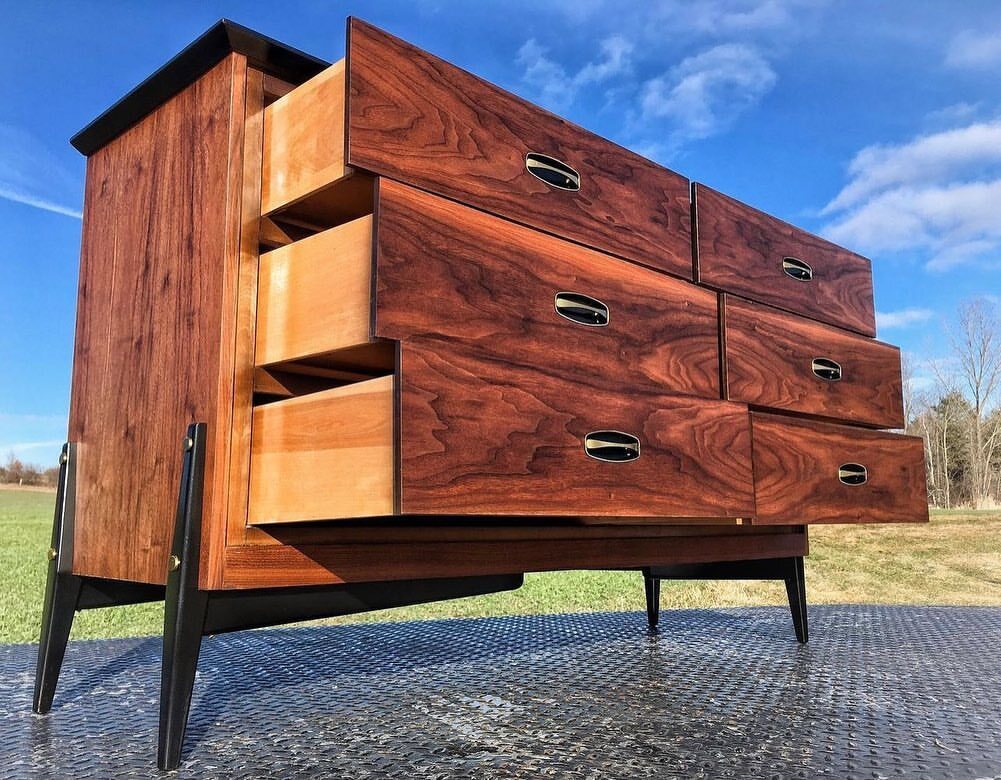
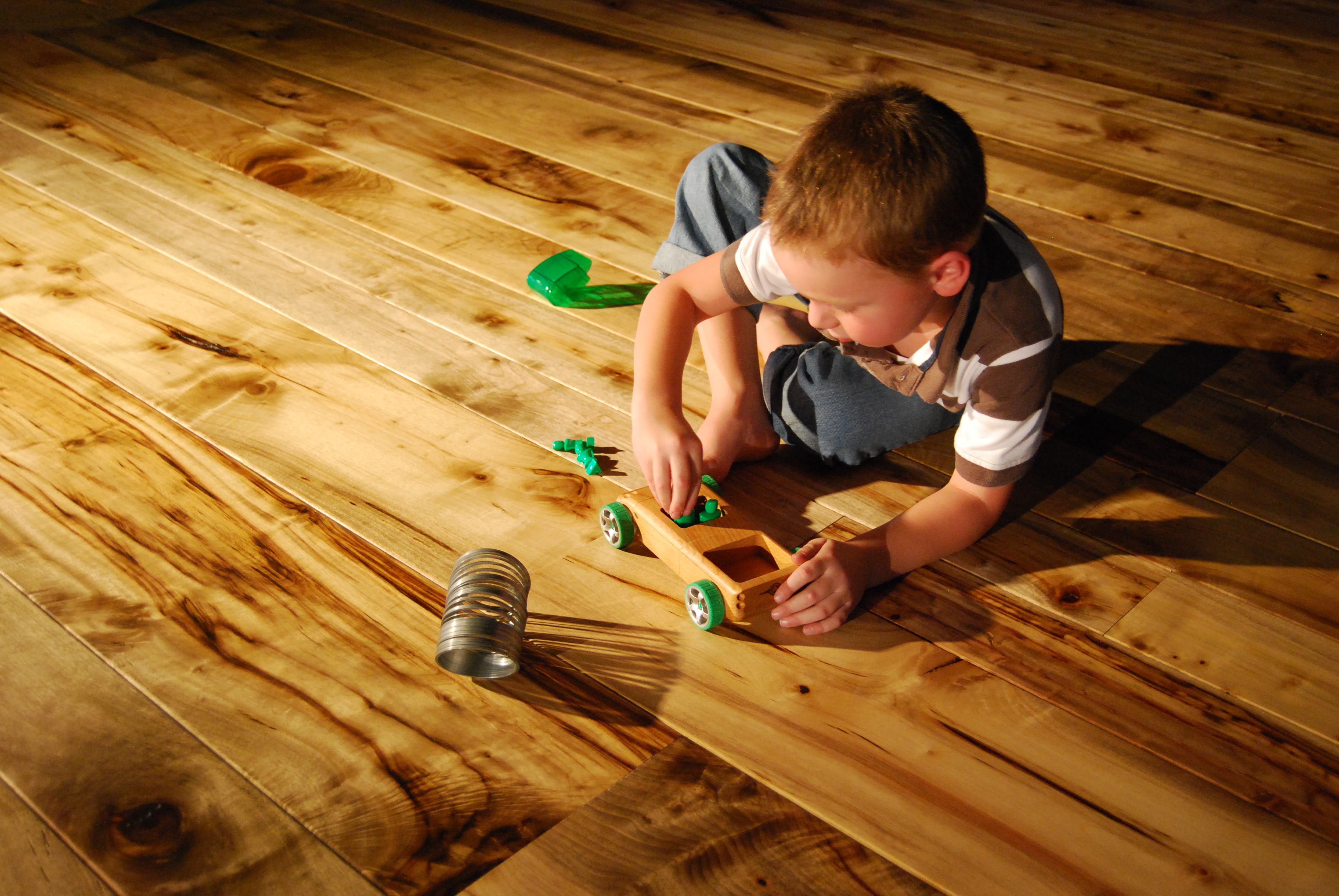
Whether you're restoring furniture, finishing cabinetry or bringing old wood floors back to life, the goal isn't simply to apply a coating.
It's to bring out the character of the wood while retaining control over the finished appearance.
Maybe it's time we stopped thinking about wood finishing as a set of instructions and started thinking about it as part of the art itself.
Blog post by Jon Conley, Odie's VP of Strategic Initiatives & other Tom Foolery